Most people start their morning with coffee on autopilot, but very few actually stop to question what’s inside their cup or how it affects their body long-term. In recent years, functional coffee blends have exploded in popularity, and one name that keeps showing up in wellness and coffee communities is Ryze. So the real question many people are asking today is: is ryze mushroom coffee good for you—or is it just another trendy wellness drink riding the hype wave?
As someone who has spent years around specialty coffee, café culture, and brewing experimentation, I’ve seen everything from single-origin espresso obsessions to plant-based coffee substitutes come and go. Ryze sits in an interesting space between traditional coffee and wellness supplements, and understanding whether it’s actually beneficial requires looking beyond marketing claims and into how it behaves in real daily use.
The Rise of Functional Coffee and Where Ryze Fits In
To understand Ryze, you first have to understand the shift happening in modern coffee culture. Traditional coffee is no longer just about caffeine—it’s about performance, digestion, focus, and mental clarity.
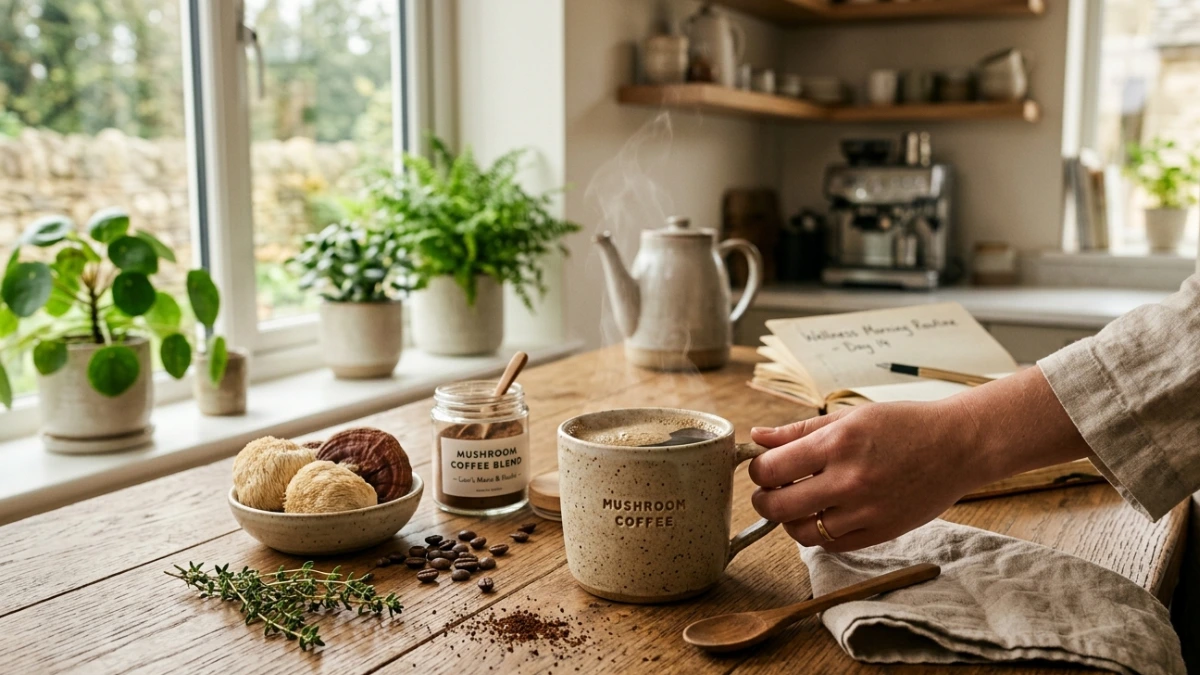
Mushroom coffee blends like Ryze combine regular coffee with functional mushrooms such as lion’s mane, reishi, cordyceps, and chaga. These ingredients have been used in Eastern wellness traditions for centuries, but only recently entered mainstream café culture.
In specialty coffee circles, baristas often compare this shift to the “third wave coffee movement,” where origin, processing, and health benefits matter just as much as taste. Ryze positions itself right in that intersection—offering a lower-caffeine, adaptogen-infused alternative to traditional coffee.
What’s Inside Ryze Mushroom Coffee: A Closer Look
From an ingredient standpoint, Ryze is not your typical coffee blend. Instead of relying heavily on roasted coffee beans alone, it incorporates a mix of organic coffee and functional mushrooms.
Here’s what you’ll typically find in similar blends:
- Lion’s Mane – Often associated with cognitive support and focus
- Reishi – Traditionally linked with stress and relaxation
- Cordyceps – Commonly used for energy and stamina
- Chaga – Known for antioxidant properties
From a coffee expert perspective, what stands out is not just the mushrooms, but the reduced caffeine load. Many users report fewer jitters compared to regular espresso or drip coffee.
However, it’s important to stay grounded. While coffee communities and wellness enthusiasts share positive anecdotal experiences, clinical evidence on mushroom coffee benefits is still developing. So when evaluating is ryze mushroom coffee good for you, it’s best to separate lifestyle benefits from medical claims.
Potential Benefits: What Coffee Drinkers Actually Notice
In real-world usage—based on café discussions, Reddit threads, and home brewers experimenting with functional coffee—several consistent patterns appear.
First, many people report a smoother energy curve. Unlike traditional coffee spikes, Ryze tends to feel more gradual. That’s likely due to the lower caffeine content combined with adaptogens that may influence stress response.
Second, some users mention improved focus without the “wired feeling” associated with strong espresso or cold brew. In specialty coffee terms, it’s closer to a “steady filter coffee calm” than a double-shot intensity.
Third, digestive comfort is another commonly cited benefit. Regular coffee can sometimes trigger acidity or discomfort, especially when consumed on an empty stomach. Mushroom blends may feel gentler for some drinkers.
Still, it’s important to be realistic. These effects vary widely depending on diet, caffeine tolerance, and lifestyle. Ryze is not a miracle drink—it’s a functional alternative that works differently from traditional coffee.
Taste Experience: What a Coffee Drinker Actually Notices
Let’s talk honestly—because taste matters.
From a barista’s perspective, Ryze does not taste like a bold specialty espresso or a rich pour-over from high-quality Arabica beans. Instead, it has a more earthy, slightly nutty, and mildly bitter profile.
Some describe it as “coffee with herbal undertones,” while others compare it to a lighter instant coffee blended with cacao-like notes.
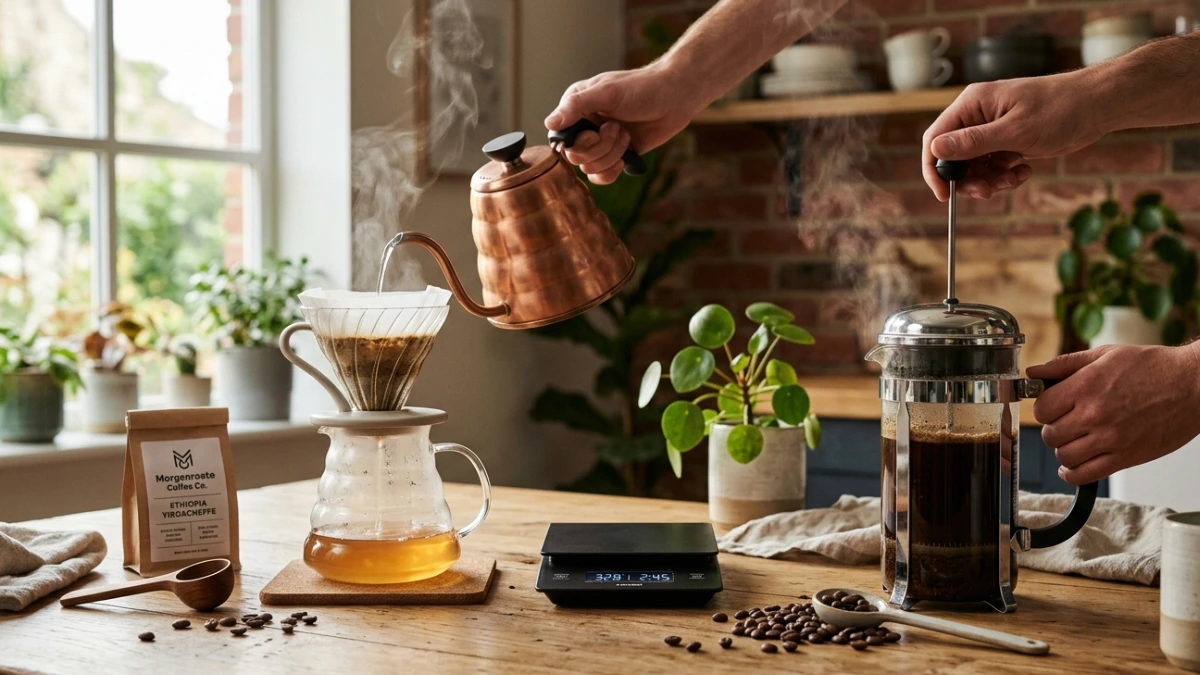
If you’re used to single-origin Ethiopian or Colombian beans brewed through V60 or Chemex, the flavor shift will be noticeable. But if your goal is function over flavor intensity, it becomes easier to appreciate.
One interesting observation from coffee communities is that people often adjust to the taste after a week or two—especially when they stop expecting it to behave like traditional coffee.
How to Prepare It for the Best Experience
One of the biggest mistakes people make with functional coffee is treating it like instant coffee without technique. Even though Ryze is designed for convenience, preparation still matters.
Here’s how most experienced users approach it:
- Mix it with hot (not boiling) water to preserve flavor balance
- Add oat milk or almond milk for smoother texture
- Use a frother to improve mouthfeel
- Avoid over-diluting, which can make it taste flat
Some even incorporate it into morning routines similar to espresso rituals—pairing it with breakfast or mindful moments instead of rushing consumption.
In home brewing coffee culture, ritual matters almost as much as ingredients. That mindset helps improve overall satisfaction with functional blends.
Who Should Drink Ryze Mushroom Coffee—and Who Should Be Careful
Not every coffee style fits every person, and Ryze is no exception.
It tends to work well for:
- People sensitive to high caffeine
- Individuals seeking focus without jitters
- Those exploring wellness-oriented coffee alternatives
- Morning drinkers who experience acidity with regular coffee
However, it may not be ideal for:
- Espresso lovers who prefer strong caffeine hits
- People expecting traditional coffee flavor intensity
- Individuals with mushroom sensitivities or allergies
From a coffee industry standpoint, this product sits in the “functional beverage” category rather than pure specialty coffee. Understanding that distinction helps set realistic expectations.
Common Myths About Mushroom Coffee
There’s a lot of misinformation floating around online, especially on social platforms.
One common myth is that mushroom coffee has no caffeine. That’s not true—most blends still contain coffee, just in reduced amounts.
Another misconception is that it replaces medical treatment or guarantees cognitive enhancement. While ingredients like lion’s mane are studied for brain health, results are not universal.
Finally, some assume it tastes identical to regular coffee with no difference. In reality, anyone familiar with espresso vs filter coffee differences will immediately notice the change in body and flavor structure.
Coffee Trends in 2026: Why Functional Coffee Is Growing
Looking at current specialty café trends, functional coffee is clearly expanding. Cafés in urban markets are experimenting with adaptogenic lattes, mushroom-based cappuccinos, and hybrid wellness drinks.
This shift reflects a broader consumer movement: people want more than caffeine—they want controlled energy, better focus, and digestive comfort.
Coffee culture is evolving from purely sensory enjoyment to lifestyle optimization. Ryze is part of that transition, sitting alongside trends like cold brew wellness shots and low-acid coffee beans.
Read More: HOW TO REMOVE COFFEE STAIN FROM CARPEt (COMPLETE EXPERT GUIDE)
Final Thoughts on Whether Ryze Mushroom Coffee Is Worth It
So, circling back to the key question—is ryze mushroom coffee good for you—the answer depends on how you define “good.”
If you’re looking for a traditional, bold coffee experience with high caffeine impact, it may feel underwhelming. But if your goal is smoother energy, reduced jitters, and a functional wellness angle, it can be a useful part of your daily routine.
From a coffee expert perspective, Ryze isn’t meant to replace specialty coffee—it’s meant to offer an alternative path for people who want balance between energy and wellness.
At the end of the day, coffee is personal. What works beautifully for one person may feel completely wrong for another. The key is understanding your own body, your caffeine tolerance, and what kind of morning experience you actually want.
The biggest takeaway is that modern coffee is no longer one-dimensional. It’s not just about taste or caffeine—it’s about lifestyle, function, and intention. Ryze represents that shift toward mindful consumption, where every cup serves a purpose beyond habit.
If you approach it with the right expectations, it can be a refreshing change in your routine. If you expect it to behave like a strong espresso shot, it will likely disappoint you. The real value lies in experimenting, adjusting, and finding what kind of coffee experience truly supports your daily rhythm.
FAQs
1. Is Ryze mushroom coffee better than regular coffee?
It depends on your goal. It may offer smoother energy and less jitteriness, but regular coffee provides stronger caffeine and richer flavor complexity.
2. Does Ryze mushroom coffee actually contain caffeine?
Yes, it contains caffeine, but typically less than standard coffee due to the mushroom blend ratio.
3. What does Ryze mushroom coffee taste like?
It has an earthy, mild coffee flavor with herbal and nutty undertones rather than bold espresso intensity.
4. Can I drink Ryze mushroom coffee every day?
Most people do consume it daily, but tolerance varies. It’s best to monitor how your body responds over time.
5. Is mushroom coffee scientifically proven?
Some ingredients like lion’s mane and reishi are studied for potential benefits, but research is still ongoing and not definitive.