If you’re trying to build stability in an unpredictable job market, knowing when is open enrollment for health insurance 2026 isn’t just a calendar detail—it’s a career survival strategy. In today’s competitive USA jobs landscape, where layoffs, contract roles, and remote jobs USA are reshaping how people work, your access to affordable healthcare can directly impact your career decisions, financial stability, and even your ability to take risks.
Let’s break it down in a way that actually helps you plan—not just comply.
The Exact 2026 Open Enrollment Timeline (And Why Timing Is Everything)
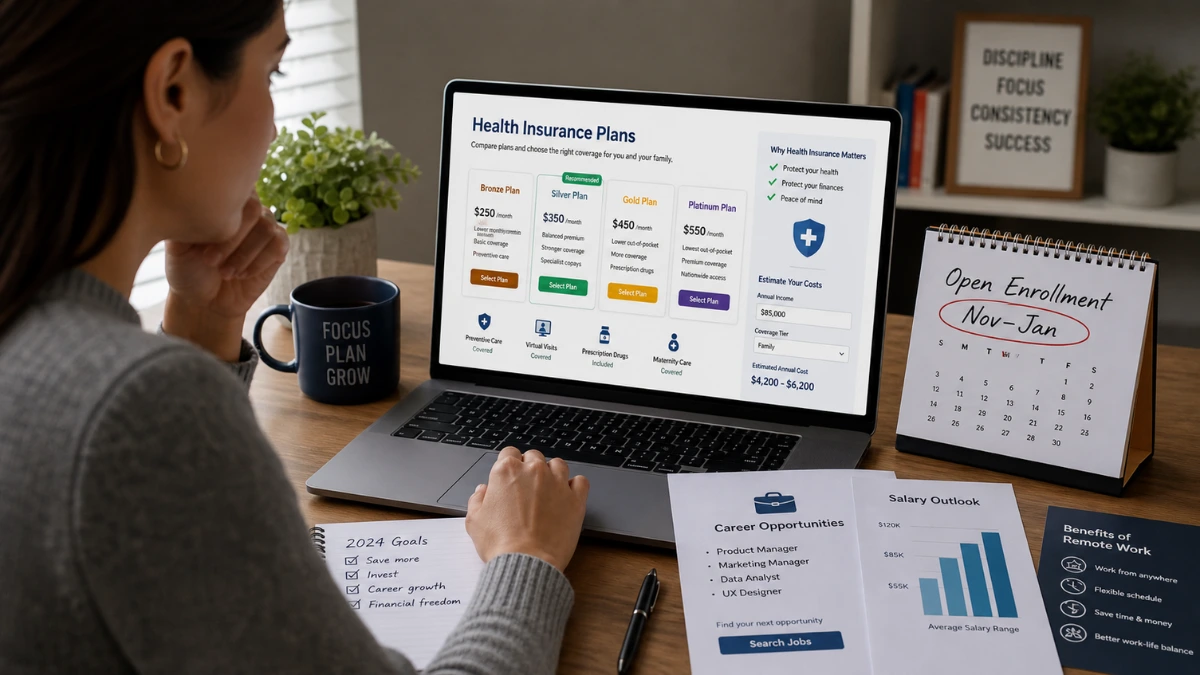
For most Americans, Open Enrollment for 2026 health coverage runs from November 1, 2025, to January 15, 2026 through the federal marketplace.
Here’s how it works:
- Enroll by December 15, 2025 → Coverage starts January 1, 2026
- Enroll between December 16 and January 15 → Coverage starts February 1, 2026
If you miss this window, you typically can’t enroll unless you qualify for a Special Enrollment Period (like losing a job or moving states).
In a job market where contract roles and remote jobs USA are growing, missing this window can leave you exposed—especially if you’re between jobs or freelancing.
Why Health Insurance Is Now a Career Decision, Not Just a Personal One
A decade ago, health insurance was mostly tied to full-time employment. Today, that’s changing fast.
According to hiring trends USA observed on platforms like LinkedIn and Indeed:
- More workers are choosing freelance and contract roles
- Employers are shifting toward leaner benefits packages
- Remote jobs USA often don’t include traditional benefits
That means your career opportunities in USA may depend on whether you can secure independent coverage.
Example:
Jake, a mid-level software developer, turned down a higher-paying contract role because it didn’t include health benefits. After learning how marketplace plans work, he later accepted a similar role—earning more and controlling his own coverage.
The Hidden Link Between Open Enrollment and High Paying Jobs in USA
High paying jobs in USA often come with benefits—but not always.
In fields like:
- Tech (contract engineers, freelancers)
- Marketing (consultants, remote specialists)
- Healthcare (travel nurses, independent providers)
Many roles offer higher salaries but no employer-sponsored insurance.
This creates a tradeoff:
- Higher salary in USA jobs
- vs.
- Self-managed healthcare costs
If you plan smartly during open enrollment, you can:
- Take higher-paying opportunities
- Negotiate better contracts
- Avoid being locked into jobs purely for benefits
How Job Seekers Are Using Open Enrollment to Gain Career Flexibility
One of the biggest shifts in the job market USA is career mobility.
Workers are no longer staying in jobs just for stability—they’re moving for growth.
Here’s how open enrollment plays into that:
1. Freedom to Switch Jobs
When you have your own health plan, you’re not tied to one employer.
2. Confidence in Freelancing
Freelancers and gig workers can operate like independent businesses.
3. Better Negotiation Power
You can focus on salary instead of benefits when negotiating offers.
On platforms like Glassdoor, many professionals now evaluate total compensation differently—factoring in whether they need employer coverage at all.
Visa Sponsorship Jobs USA and Health Insurance: What International Workers Must Know
If you’re targeting visa sponsorship jobs USA, health insurance rules become even more critical.
Here’s the reality:
- Some employers provide insurance immediately
- Others have waiting periods (30–90 days)
- Some contract roles offer no coverage at all
For international workers, this gap can be risky.
If you arrive in the U.S. without immediate coverage, understanding open enrollment timing can help you:
- Avoid uninsured periods
- Stay compliant with visa requirements
- Reduce unexpected medical expenses
Many professionals overlook this—and it becomes a costly mistake.
Remote Jobs USA and the Rise of Self-Managed Benefits
The explosion of work from home USA jobs has changed how benefits work.
Companies hiring remote workers often:
- Operate across multiple states
- Offer limited or no centralized benefits
- Expect employees to manage their own coverage
This is especially common in:
- Startups
- Global remote companies
- Freelance marketplaces
Because of this, open enrollment is becoming just as important as job applications.
If you’re pursuing remote jobs USA, your strategy should include:
- Comparing marketplace plans annually
- Budgeting healthcare into your salary expectations
- Understanding deductibles and premiums
Smart Strategies to Prepare Before Open Enrollment Opens
Most people wait until November and rush decisions. That’s a mistake.
If you want to make a smart move—especially in competitive USA jobs—prepare early.
Step 1: Review Your Career Direction
Are you planning to:
- Change jobs?
- Freelance?
- Move states?
Your insurance needs will change accordingly.
Step 2: Estimate Your Income
Marketplace subsidies depend on income.
Use realistic projections, especially if you’re in gig work or contract roles.
Step 3: Compare Plans Early
Look at:
- Premiums
- Deductibles
- Provider networks
Don’t just pick the cheapest option—it can cost more long-term.
Step 4: Align With Career Goals
If you’re targeting high paying jobs in USA without benefits, prioritize flexible plans.
The Future of Work in the USA: Why Open Enrollment Awareness Is Becoming Essential
The traditional model—stable job + employer benefits—is fading.
What’s replacing it?
- Portfolio careers
- Remote-first companies
- Project-based hiring
This means your career stability depends more on your planning than your employer’s offerings.
Professionals who understand systems like open enrollment:
- Take smarter career risks
- Access better-paying opportunities
- Avoid financial shocks
Those who ignore it often stay stuck in lower-paying roles just for security.
Real-World Scenario: A Career Move That Worked Because of Smart Planning
Consider Maria, a digital marketer.
She was earning $68,000 in a full-time role with benefits. She wanted to switch to freelance work, where she could earn over $95,000 annually.
Her biggest concern? Health insurance.
Instead of delaying her move:
- She researched plans during open enrollment
- Budgeted monthly premiums into her pricing
- Secured a marketplace plan before leaving her job
Within 6 months:
- She increased her income significantly
- Built a flexible career
- Maintained full health coverage
This is how modern career strategy works in the USA.
Conclusion: Why Open Enrollment Is a Career Lever, Not Just a Deadline
Understanding when is open enrollment for health insurance 2026 gives you more than coverage—it gives you control. In a job market where flexibility, remote roles, and independent work are growing fast, your ability to manage your own benefits can unlock better career opportunities in USA.
When you plan ahead, you’re not forced into decisions based on fear—you’re choosing roles based on growth, salary, and long-term potential.
Take Action: Build Your Career With Strategy, Not Just Applications
Don’t treat open enrollment as paperwork. Treat it like a career tool.
Start now:
- Evaluate your job goals
- Research insurance options
- Align your financial planning
Whether you’re chasing high paying jobs in USA, exploring visa sponsorship jobs USA, or moving into remote jobs USA, the professionals who succeed are the ones who plan both their careers and their coverage.
FAQs
1. What happens if I miss the 2026 open enrollment deadline?
If you miss it, you can only enroll if you qualify for a Special Enrollment Period—like losing your job, moving, or having a child.
2. Can I get health insurance without a job in the USA?
Yes. You can purchase plans through the federal or state marketplace, especially during open enrollment.
3. Do remote jobs USA usually include health insurance?
Some do, but many—especially freelance or global roles—do not. Always verify before accepting an offer.
4. Are marketplace plans expensive for freelancers?
Costs vary based on income. Many freelancers qualify for subsidies that significantly reduce premiums.
5. How does health insurance affect salary negotiation in USA jobs?
If an employer doesn’t offer benefits, you should negotiate a higher salary to cover insurance costs.