Does renters insurance cover basement flooding? It’s a question many renters only ask after water starts creeping across the floor—and by then, it’s often too late. In today’s competitive housing and job market USA, where rising rent eats into savings and career stability isn’t always guaranteed, a single unexpected expense like flood damage can derail your financial progress fast.
For professionals chasing high paying jobs in USA or even those working remote jobs USA, financial protection isn’t just about income—it’s about risk management. And understanding how renters insurance works could be one of the smartest financial decisions you make this year.
The Truth About Renters Insurance and Flood Damage
Here’s the hard truth: standard renters insurance typically does NOT cover basement flooding caused by natural floods.
Most policies cover:
- Fire
- Theft
- Certain types of water damage (like burst pipes)
But they exclude flooding caused by external water sources, such as:
- Heavy rainstorms
- Overflowing rivers
- Storm surges
This is where many renters misunderstand their coverage. They assume “water damage” includes all scenarios—but insurers define it very narrowly.
If you’re building a career and trying to protect your savings, this misunderstanding can cost thousands.
Why This Matters More in Today’s USA Job Market
Let’s connect this to real life.
According to hiring trends observed on platforms like LinkedIn and Indeed, more professionals are relocating for career opportunities in USA—especially in tech hubs, healthcare regions, and fast-growing suburban areas.
Many of these areas:
- Have older buildings
- Include basement units (often cheaper rent)
- Are more prone to flooding
Now imagine this:
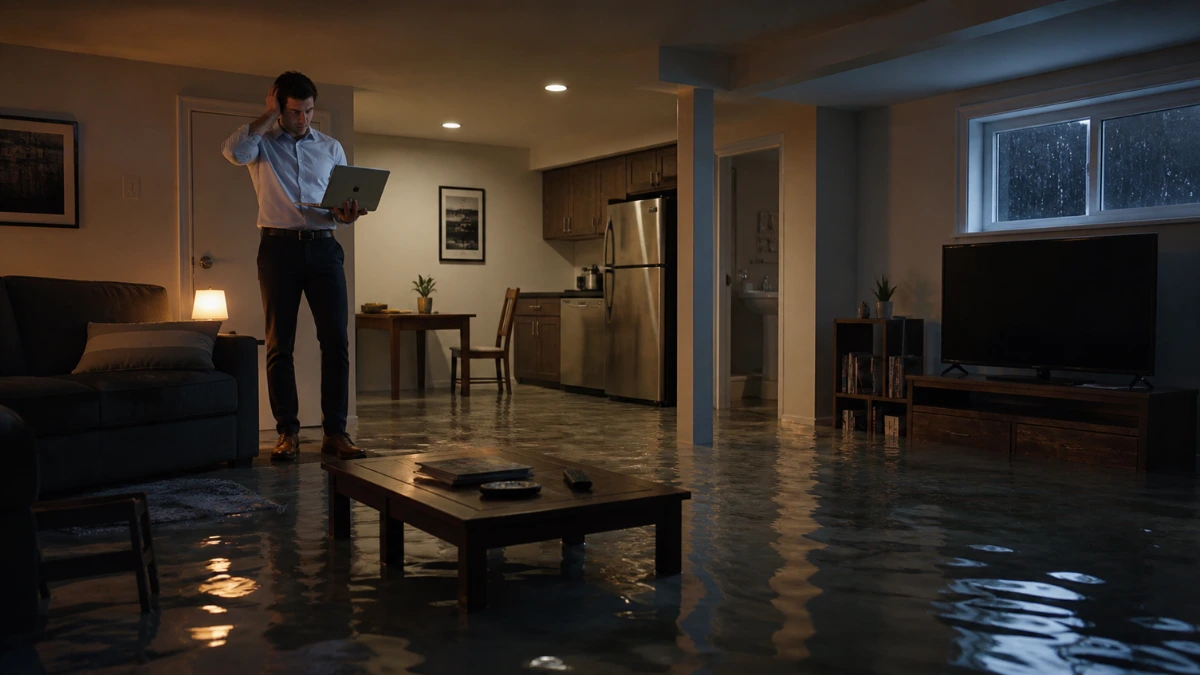
You just landed a remote job USA with a solid salary. You move into an affordable basement apartment to save money. A storm hits. Water floods your living space. Your laptop, furniture, and personal items are destroyed.
Without proper coverage, you’re paying out of pocket—while trying to stay productive at work.
That’s not just a housing issue. That’s a career risk.
What Renters Insurance Actually Covers (And What It Doesn’t)
To make smart financial decisions, you need clarity.
Typically Covered:
- Water damage from internal issues (burst pipes, plumbing leaks)
- Theft or vandalism
- Fire and smoke damage
Typically NOT Covered:
- Flooding from natural disasters
- Sewer backups (unless you add coverage)
- Groundwater seepage
This is why many professionals—especially those in high paying jobs in USA—opt for additional riders or separate flood insurance policies.
It’s not paranoia. It’s strategic financial planning.
How Smart Professionals Protect Themselves Financially
People who succeed in the USA jobs market don’t just earn more—they manage risk better.
Here’s what experienced renters do:
1. Add Flood Insurance (Separate Policy)
Flood insurance is usually purchased through programs like FEMA-backed policies or private insurers.
2. Get Sewer Backup Coverage
This is a low-cost add-on that covers damage from backed-up drains—a common issue in basements.
3. Document Everything
Keep:
- Photos of belongings
- Receipts for electronics and furniture
This helps speed up claims.
4. Understand Policy Language
Don’t skim. Read exclusions carefully. This is where most people get burned.
A Real-World Scenario Most Renters Overlook
Take Jason, a mid-level IT professional working a remote job USA.
He moved to a suburban area to save money and rented a basement apartment. He had renters insurance and felt secure.
Then a heavy storm caused local flooding.
Result:
- $6,000 in personal property damage
- Insurance claim denied (flood exclusion)
Jason had to replace everything out of pocket—right when he was planning to invest in certifications to boost his career.
This is the kind of financial setback that doesn’t just hurt your wallet—it delays your growth.
Insurance Awareness Is a Career Skill (Yes, Really)
It may not sound like a traditional career skill, but financial literacy is one of the biggest differentiators in long-term success.
Professionals climbing the ladder in high paying jobs in USA often:
- Understand risk management
- Protect their assets
- Avoid preventable financial losses
According to insights from platforms like Glassdoor and Indeed, employees who manage finances well tend to:
- Take more career risks (like switching jobs)
- Invest in skill development
- Handle emergencies without stress
Ignoring something like flood coverage may seem minor—until it disrupts your entire financial plan.
The Hidden Link Between Housing Choices and Career Growth
Here’s something most career advice doesn’t tell you:
Where you live—and how protected you are—directly impacts your career trajectory.
Basement apartments are popular because they’re affordable. That’s especially attractive for:
- Entry-level workers
- Immigrants seeking visa sponsorship jobs USA
- Remote workers trying to cut costs
But cheaper rent often comes with higher risk.
If you’re serious about building a stable career, you have to weigh:
- Rent savings vs. potential loss
- Insurance coverage vs. exposure
Smart professionals don’t just chase lower costs—they calculate total risk.
Future Trends: Why This Issue Is Growing in the USA
Flooding risks are increasing in many parts of the U.S., and insurance policies are getting stricter.
At the same time:
- More people are working from home (work from home USA jobs)
- More renters are choosing non-traditional spaces (basements, converted units)
This creates a perfect storm:
- Higher exposure to risk
- More expensive personal equipment (laptops, monitors, etc.)
- Greater financial impact when something goes wrong
Understanding your coverage is no longer optional—it’s essential.
Conclusion: Protecting Your Career Means Protecting Your Assets
So, does renters insurance cover basement flooding? In most cases, no—and that’s exactly why this topic matters more than people think.
In a competitive job market USA, where career opportunities in USA are evolving rapidly, financial setbacks can slow you down in ways you didn’t expect. Whether you’re pursuing remote jobs USA or climbing toward high paying jobs in USA, protecting your belongings is part of protecting your future.
The smartest professionals aren’t just focused on income—they’re focused on resilience.
Take Action Before It Costs You
Don’t wait for a disaster to learn how your insurance works. Review your policy today. Ask questions. Add coverage if needed.
Your career growth depends on stability—and stability starts with smart decisions.
Whether you’re searching for USA jobs, planning a move, or building your financial future, take control of the risks that could hold you back.
FAQs
1. Does renters insurance ever cover any type of basement water damage?
Yes, but only if the damage is caused by internal issues like a burst pipe—not external flooding.
2. What type of insurance do I need for flood protection?
You’ll need a separate flood insurance policy, often through FEMA programs or private insurers.
3. Is flood insurance expensive for renters?
It’s usually affordable compared to potential losses, especially for basement renters.
4. Do landlords cover flood damage for tenants?
No. Landlords insure the building, not your personal belongings.
5. Is flood risk higher in basement apartments?
Yes. Basements are naturally more vulnerable to water intrusion, making extra coverage highly recommended.