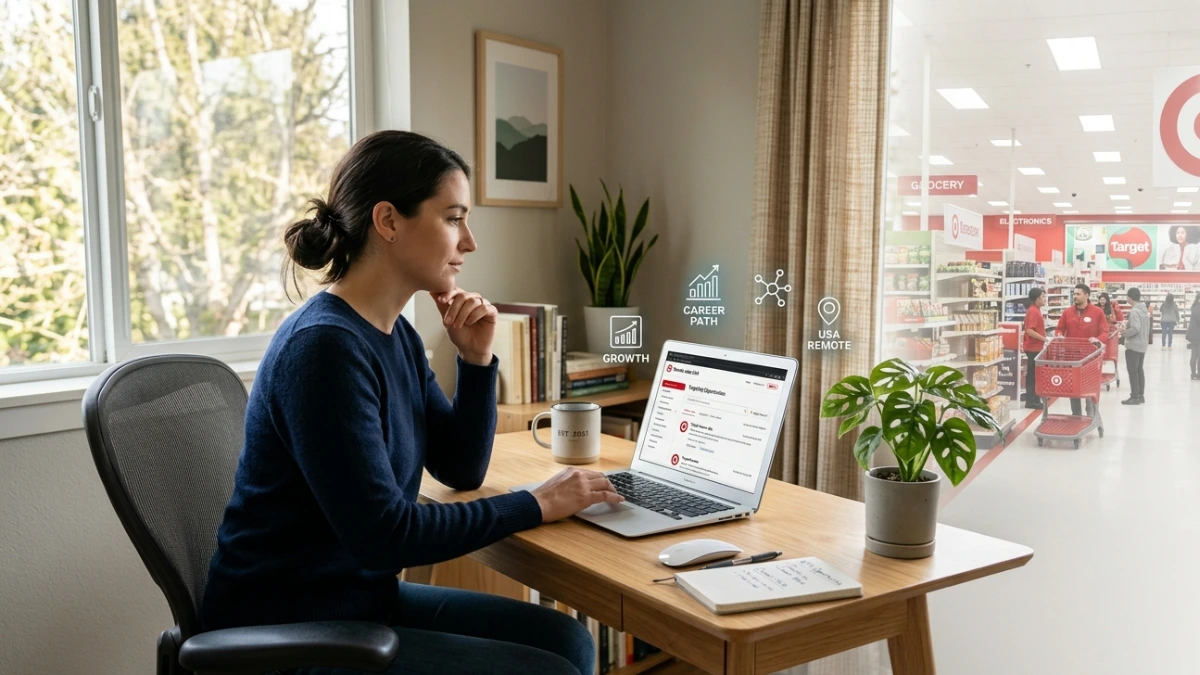
If you’ve ever searched “does Target have work from home jobs”, you’re not alone. Thousands of job seekers across the U.S. are trying to escape long commutes, reduce childcare costs, or simply gain more flexibility in their lives. The shift toward remote jobs USA has changed expectations—but not every company offers what people assume.
Let’s break down what’s real, what’s limited, and where the actual opportunities lie—especially if you’re targeting large employers like Target while navigating today’s competitive job market USA.
The Reality Behind Remote Work at Large Retail Companies
Target is one of the largest employers in the U.S., with hundreds of thousands of employees. Naturally, people expect a wide range of work from home USA jobs within the company.
But here’s the truth:
Most of Target’s workforce is tied to physical locations—stores, warehouses, and distribution centers. That means the majority of roles are not remote.
However, that doesn’t mean zero opportunity.
Corporate-level positions—especially in areas like:
- Marketing
- HR
- IT
- Finance
- Supply chain analytics
may offer hybrid or remote flexibility.
According to job listings on platforms like LinkedIn and Indeed, these roles are typically limited, competitive, and require prior experience.
Why Job Seekers Often Misunderstand “Remote Jobs USA”
There’s a common misconception in today’s hiring trends USA:
People assume that all large companies must offer remote jobs.
That’s not how it works.
Retail companies like Target operate on a physical-first business model, unlike tech companies or SaaS platforms.
So when someone searches “does Target have work from home jobs,” they’re often expecting customer service or entry-level remote roles. But those are rare because:
- Customer interactions happen in-store
- Inventory and logistics require on-site presence
- Store operations dominate hiring needs
This is why many job seekers feel stuck despite having good skills.
Where Remote Opportunities Actually Exist Within Target
While limited, some remote or hybrid roles do exist—mostly at the corporate level.
Here’s where you might find them:
1. Corporate Headquarters Roles
Positions based in Minneapolis (Target HQ) may offer remote flexibility:
- Business analysts
- Software engineers
- Digital marketing specialists
2. Technology & Data Jobs
Target has invested heavily in digital infrastructure. That opens doors for:
- Cloud engineers
- Data scientists
- Cybersecurity specialists
These roles align more with high paying jobs in USA and are more likely to offer remote options.
3. HR and Recruiting Roles
Some HR functions—especially talent acquisition—can be partially remote.
But again, these are not entry-level positions.
A Real-World Scenario: Why Most Applicants Get Rejected
Let’s say Sarah, a customer service associate, wants to transition into a remote role at Target.
She applies for a “remote analyst” job she finds on Glassdoor.
Here’s what happens:
- The role requires 3–5 years of analytics experience
- Strong Excel, SQL, or data visualization skills
- Prior corporate exposure
Sarah gets rejected—not because she’s unqualified overall, but because she lacks specific skills aligned with remote corporate roles.
This is a common pattern in career opportunities in USA.
Skills That Actually Unlock Remote Jobs in the USA
If your goal is to land remote jobs USA—whether at Target or elsewhere—you need to align with what employers are actively hiring for.
Based on hiring trends across LinkedIn, Indeed, and Glassdoor, these skills dominate:
In-Demand Remote Skills:
- Data analysis (Excel, SQL, Power BI)
- Digital marketing (SEO, paid ads, content strategy)
- Software development (Python, JavaScript)
- Customer success (for SaaS companies)
- Project management (Agile, Scrum)
Retail companies like Target only hire remotely for specialized roles, not general positions.
Salary Expectations for Remote Roles vs In-Store Jobs
One major advantage of remote work is earning potential.
Here’s a realistic comparison:
In-Store Roles (Target):
- $15–$22/hour
- Limited growth unless moving into management
Remote Corporate Roles:
- $60,000–$120,000+ annually
- Performance-based bonuses
- Long-term career growth
This gap explains why so many people are searching for high paying jobs in USA that offer remote flexibility.
Better Alternatives If Your Goal Is Work From Home
If your main goal is remote work—not necessarily working at Target—you may want to broaden your search.
Industries with strong remote hiring include:
1. Tech Companies
- Software development
- Product management
- UX/UI design
2. Customer Support (Remote-First Companies)
- Fully remote call centers
- SaaS customer success teams
3. Freelancing & Gig Economy
- Writing
- Graphic design
- Virtual assistance
These sectors dominate career opportunities in USA when it comes to remote work.
Visa Sponsorship and Remote Work: What You Should Know
For international job seekers targeting visa sponsorship jobs USA, remote roles can be tricky.
Why?
- Many remote jobs still require U.S. residency
- Companies often prefer local candidates for compliance reasons
- Visa sponsorship is more common in tech and engineering roles
So if you’re aiming for both remote work and visa sponsorship, focus on:
- Software engineering
- Data science
- AI/ML roles
These fields are more aligned with global hiring.
Future of Remote Work in the USA Job Market
The remote work boom isn’t disappearing—but it is evolving.
According to hiring patterns seen across major platforms:
- Hybrid work is becoming the norm
- Fully remote roles are more selective
- Employers prioritize productivity over location
Retail companies like Target are unlikely to become fully remote organizations because of their business model.
However, corporate roles will continue offering flexibility.
How to Position Yourself for Remote Success in 2026
If you’re serious about landing remote jobs USA, here’s what actually works:
- Upskill strategically
Learn tools that are in demand—not just generic skills. - Build a portfolio
Show real work (projects, case studies, results). - Use job platforms effectively
Search filters on LinkedIn, Indeed, and Glassdoor for “remote” and “hybrid.” - Network intentionally
Many remote roles are filled through referrals. - Apply smart—not blindly
Focus on roles that match your experience level.
Read More: How Many Jobs Are Available in Oil & Gas Production? A Real Look at Career Opportunities in the USA
Conclusion: The Truth About Target and Remote Work
So, does Target have work from home jobs? Yes—but only in limited, highly competitive corporate roles. For most job seekers, especially those looking for entry-level remote positions, Target isn’t the best place to focus.
Understanding how the job market USA actually works can save you time, frustration, and missed opportunities. Remote work is real—but it requires the right skills, strategy, and expectations.
Final Thoughts: Take Control of Your Career Path
Instead of chasing one company, focus on building skills that open doors across industries. The future of work is flexible—but only for those who adapt.
Start by identifying your strengths, invest in high-demand skills, and use platforms like LinkedIn and Indeed strategically. Whether it’s Target or another employer, your success in remote jobs USA will depend on how well you align with what the market truly needs.
FAQs
1. Does Target offer fully remote entry-level jobs?
No, most entry-level roles at Target are in-store or warehouse-based. Remote roles are typically corporate and require experience.
2. What types of remote jobs can I get without experience in the USA?
You can explore customer support, data entry, or freelance roles, but competition is high and pay is often lower.
3. Are remote jobs in the USA still in demand in 2026?
Yes, but many companies are shifting to hybrid models, making fully remote roles more competitive.
4. How can I qualify for high paying remote jobs in the USA?
Focus on in-demand skills like tech, data analysis, or digital marketing, and build a strong portfolio.
5. Do remote jobs in the USA offer visa sponsorship?
Some do, but mostly in specialized fields like software engineering or data science—not general remote roles.